
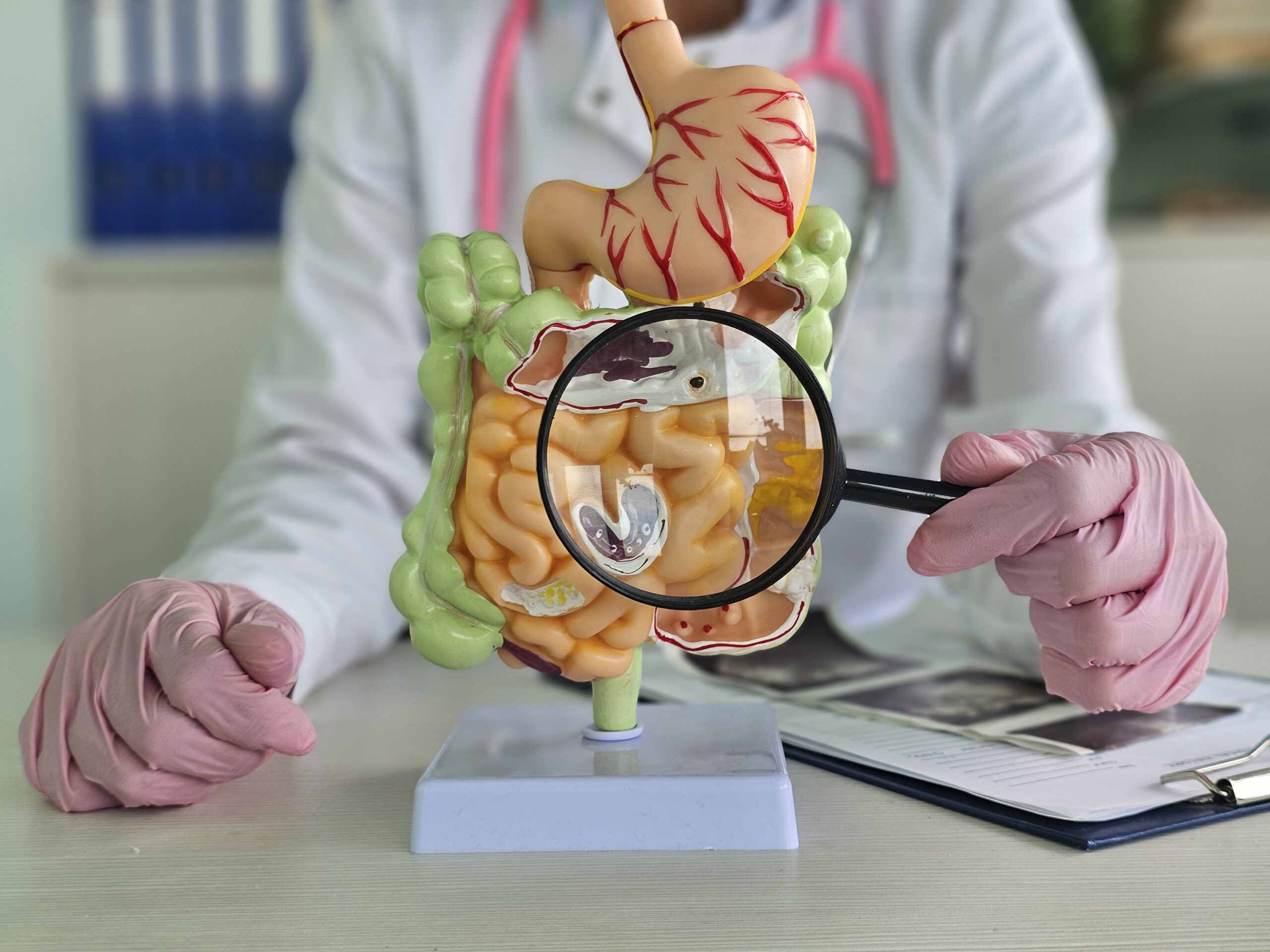
What is Intestinal or Bowel Resection?
Intestinal or bowel resection is a surgery to remove part of the small or large intestine. Doctors may call it bowel surgery or intestinal surgery. During this procedure, a surgeon takes out the damaged or diseased section of the intestine. Then, the healthy ends are joined together. Sometimes, a temporary or permanent opening called a stoma is made in the belly. This surgery helps treat many bowel problems. According to the World Health Organization (WHO), it is a common treatment for several digestive diseases.
Why is Intestinal or Bowel Resection Performed?
Doctors recommend intestinal or bowel resection for different reasons. Often, it is needed when part of the intestine is not working well. For example, this may happen due to disease, injury, or blockage. In many cases, removing the unhealthy part helps restore normal bowel function. Some common reasons include:
Because each case is unique, doctors carefully decide if surgery is the best option.
Common Symptoms and Indications
Not everyone with bowel problems needs surgery. However, certain symptoms may suggest that intestinal or bowel resection is needed. For instance, you should watch for:
If you notice these signs, it is important to talk to your doctor. Early treatment can prevent further problems.
How is the Procedure Done?
Doctors use different methods to perform intestinal or bowel resection. The choice depends on your health and the reason for surgery. Usually, there are two main types:
Here is a simple step-by-step overview:
Because each patient is different, your doctor will explain the best approach for you.
Recovery and Aftercare
After intestinal or bowel resection, recovery takes time. Most people stay in the hospital for a few days. However, the length of stay depends on your health and the type of surgery. During recovery, you may:
At home, you should follow your doctor’s advice. For example, keep your wound clean, eat a healthy diet, and avoid heavy lifting. If you notice fever, redness, or pain at the wound, contact your doctor right away. Recovery after bowel resection can take several weeks. But with good care, most people return to normal activities.
Risks and Possible Complications
Like all surgeries, intestinal or bowel resection has some risks. Although most people recover well, it is important to know possible problems. These may include:
Because your doctor monitors you closely, most complications are treated early. Still, always report any unusual symptoms after surgery.
Prevention and Lifestyle Tips
While not all bowel problems can be prevented, healthy habits may lower your risk. For example, you can:
Because early action helps, talk to your doctor if you notice any bowel changes. Good habits support your digestive health and may prevent future problems.
Consult Dhanvantari Multi speciality Hospital Sangamner for personalized advice about intestinal or bowel resection.