
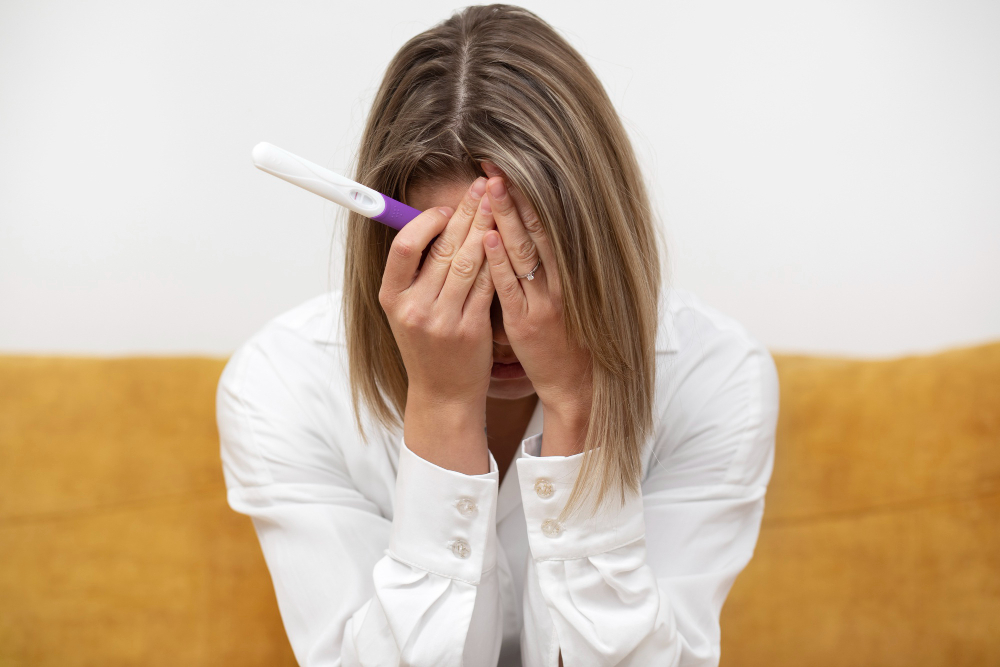
Many women ask, “Why can’t I get pregnant?” Understanding the causes of female infertility is important for anyone trying to conceive. Knowing the reasons can help you take the right steps. In this guide, we explain the main female infertility causes, risk factors, and ways to prevent them. We also discuss when to see a specialist for help.
What is Female Infertility?
Female infertility means a woman cannot get pregnant after one year of regular, unprotected sex. For women over 35, doctors may check sooner, after six months. Infertility can be stressful, but many causes have treatments. According to the World Health Organization (WHO), about 1 in 6 people worldwide face infertility at some point.
Common Causes of Female Infertility
There are many reasons why a woman may have trouble getting pregnant. Let’s look at the most common female infertility causes.
Ovulation Disorders
First, problems with ovulation are a leading cause. Ovulation is when the ovary releases an egg each month. If this does not happen, pregnancy cannot occur. Some common ovulation disorders include:
Because these issues affect hormone balance, they can stop eggs from being released.
Fallopian Tube Damage or Blockage
Next, the fallopian tubes carry eggs from the ovaries to the uterus. If these tubes are blocked or damaged, sperm cannot reach the egg. Common reasons for tube problems include:
As a result, eggs and sperm cannot meet, making pregnancy hard.
Endometriosis
Endometriosis is a condition where tissue like the lining of the uterus grows outside it. This can cause pain and scarring. Sometimes, it blocks the fallopian tubes or affects the ovaries. According to the CDC, endometriosis affects about 11% of women between 15 and 44 years old. Because it can damage reproductive organs, it is a key infertility risk factor in women.
Uterine or Cervical Causes
Problems with the uterus or cervix can also lead to infertility. For example, some women have:
Because these issues can stop a fertilized egg from implanting, they may prevent pregnancy.
Age and Lifestyle Factors
As women age, fertility naturally drops. After age 35, the number and quality of eggs decrease. In addition, lifestyle choices can affect fertility. Some risk factors include:
Because these factors can harm the ovaries or hormones, they play a role in female infertility causes.
Unexplained Infertility
Sometimes, doctors cannot find a clear reason for infertility. This is called unexplained infertility. It happens in about 10% of couples. Even though tests are normal, pregnancy does not occur. In these cases, doctors may suggest lifestyle changes or fertility treatments.
Diagnosis: How Doctors Identify the Causes
Doctors use several tests to find out why a woman cannot get pregnant. Usually, the process starts with a medical history and physical exam. Then, doctors may recommend:
Because each woman is different, doctors choose tests based on her symptoms and history.
Prevention and Lifestyle Guidance
While not all causes can be prevented, some steps may lower the risk. Here are tips on how to prevent female infertility:
Because early action can help, talk to your doctor if you have concerns.
When to See a Specialist
If you have tried to get pregnant for a year without success, see a fertility specialist. For women over 35, seek help after six months. Also, see a doctor sooner if you have:
Because early diagnosis can improve your chances, do not wait to ask for help.
In summary, understanding the causes of female infertility helps you make informed choices. Consult a fertility specialist at Dhanvantari Multi Speciality Hospital Sangamner for personalized advice and support.