What is Colectomy?
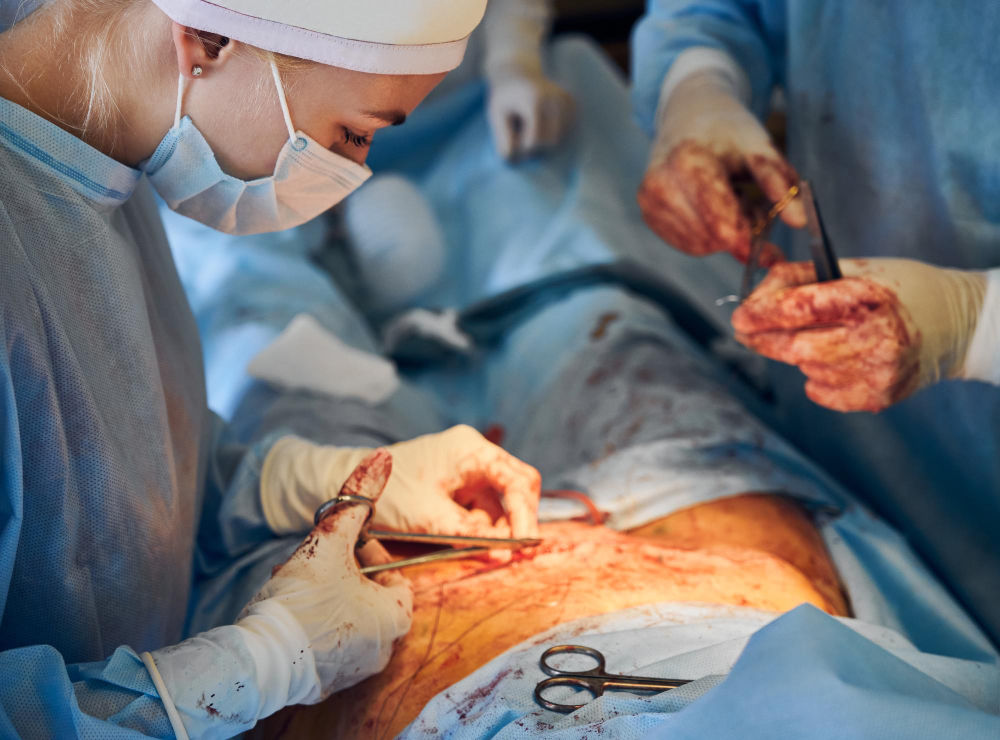
Colectomy is a surgery to remove part or all of the colon. The colon is a long tube in your belly that helps move waste out of your body. Doctors may call this colon surgery or colon removal. Often, colectomy is done to treat diseases that affect the colon. Because it is a major surgery, doctors only suggest it when other treatments do not work.
Why is Colectomy Performed? (Indications and Causes)
Doctors may recommend colectomy for several reasons. Sometimes, it is the best way to treat certain health problems. For example, colectomy may be needed if you have:
In many cases, colectomy can help save lives or improve quality of life. However, doctors will explain all options before recommending surgery.
Types of Colectomy
There are different types of colectomy, depending on how much of the colon is removed. Some common types include:
Each type has its own risks and recovery steps. Your doctor will choose the best type for your condition.
How is Colectomy Performed? (Procedure Overview)
Doctors can perform colectomy in two main ways. First, they may use open surgery, which involves a large cut in the belly. Second, they may use laparoscopic surgery, which uses small cuts and a camera. Both methods remove the diseased part of the colon. After removal, the healthy ends are joined together. Sometimes, a temporary or permanent opening (stoma) is made in the belly to help waste leave the body.
Before surgery, you will get instructions about eating, drinking, and medicines. During the colectomy procedure, you will be asleep under anesthesia. The surgery can take several hours, depending on the type.
Risks and Possible Complications
Like all surgeries, colectomy has some risks. However, doctors take steps to lower these risks. Possible complications include:
Most people recover well, but it is important to watch for signs of problems. If you have fever, pain, or swelling, contact your doctor right away.
Recovery and Aftercare
After colectomy, you will stay in the hospital for a few days. During this time, doctors will check your healing. You may get fluids and food slowly as your body recovers. Pain medicine will help you feel comfortable. Once you can eat and move, you may go home.
At home, follow your doctor’s advice. Take medicines as directed. Keep the surgery area clean and dry. Watch for signs of infection. Most people return to normal activities in a few weeks, but full recovery can take longer.
Tips for a Healthy Recovery
To help your body heal after colon surgery, try these tips:
If you have a stoma, a nurse will teach you how to care for it. Support groups can also help you adjust after surgery.
Prevention and Lifestyle Guidance
While some causes of colectomy cannot be prevented, you can lower your risk of colon problems by:
Early detection and healthy habits can help keep your colon healthy.
Conclusion
Colectomy is a major surgery that can treat serious colon problems. Although it has risks, it can also save lives. If you need colectomy or have questions about colon surgery, consult a qualified surgeon or healthcare provider at Dhanvantari Multi Speciality Hospital for personalized advice.